01
Hospitality for Business
True efficiency starts where the work actually happens.
Processes, service and workplaces examined from the frontline, then redesigned around the people who deliver them.
How this worksBoots & Berrys
Inspired by the Code of Besa.
Crafting meaning.

02Arrival
03The statement
Somewhere along the way, we became very good at serving people and started forgetting how to receive them.
Hospitality was never meant to be transactional. It was meant to be human.
03Foundation
Besa is not a theme. It is the reason for the way we work.
In Albanian culture, Besa is more than hospitality. It is a promise to honour your word, protect those in your care and welcome others with generosity and dignity.
It shows up in small decisions: who gets remembered, who gets a seat, who is told the truth about what a project can carry.
It meant something.
05Crafting meaning
Sometimes that means rethinking an entire guest journey. Sometimes it means changing where a table stands. How someone is welcomed. What happens before the music starts. Or knowing when nothing should happen at all.
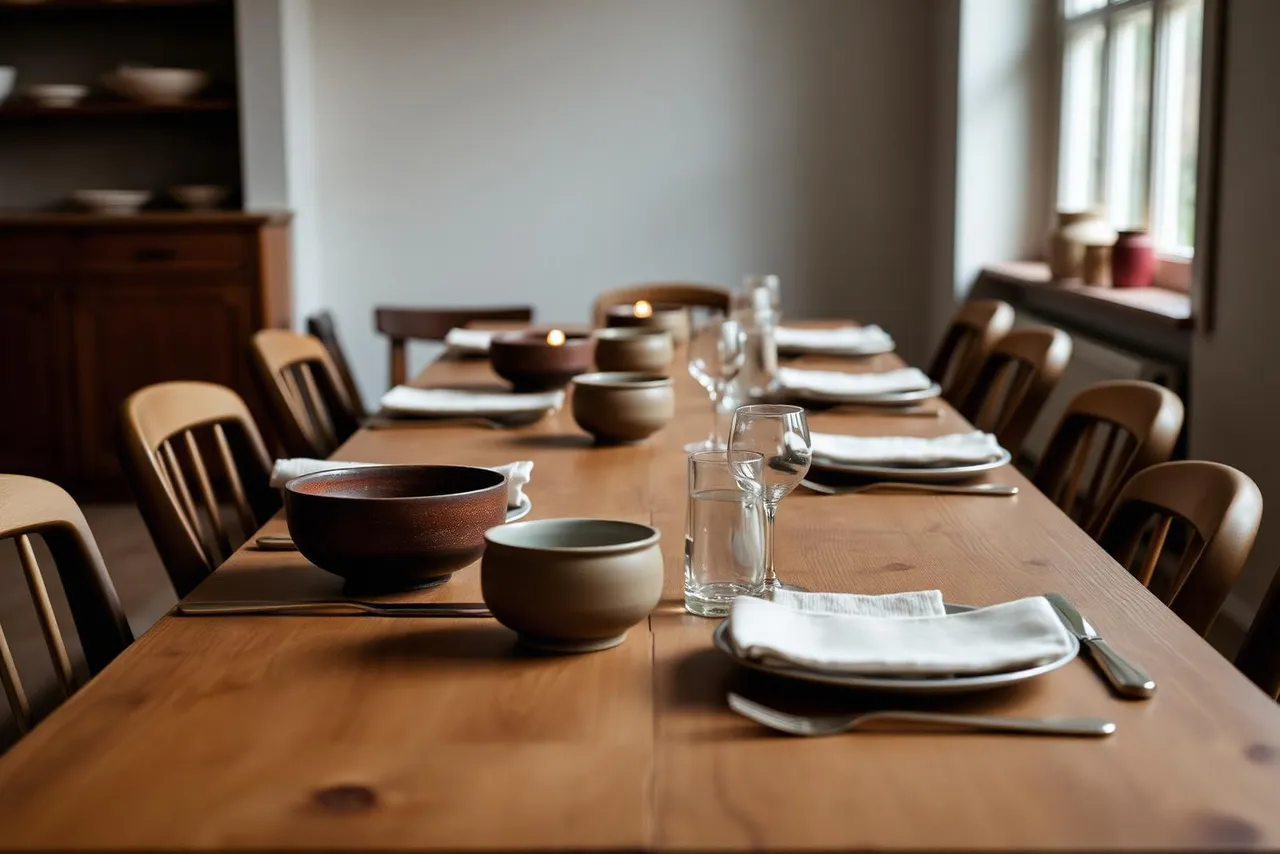
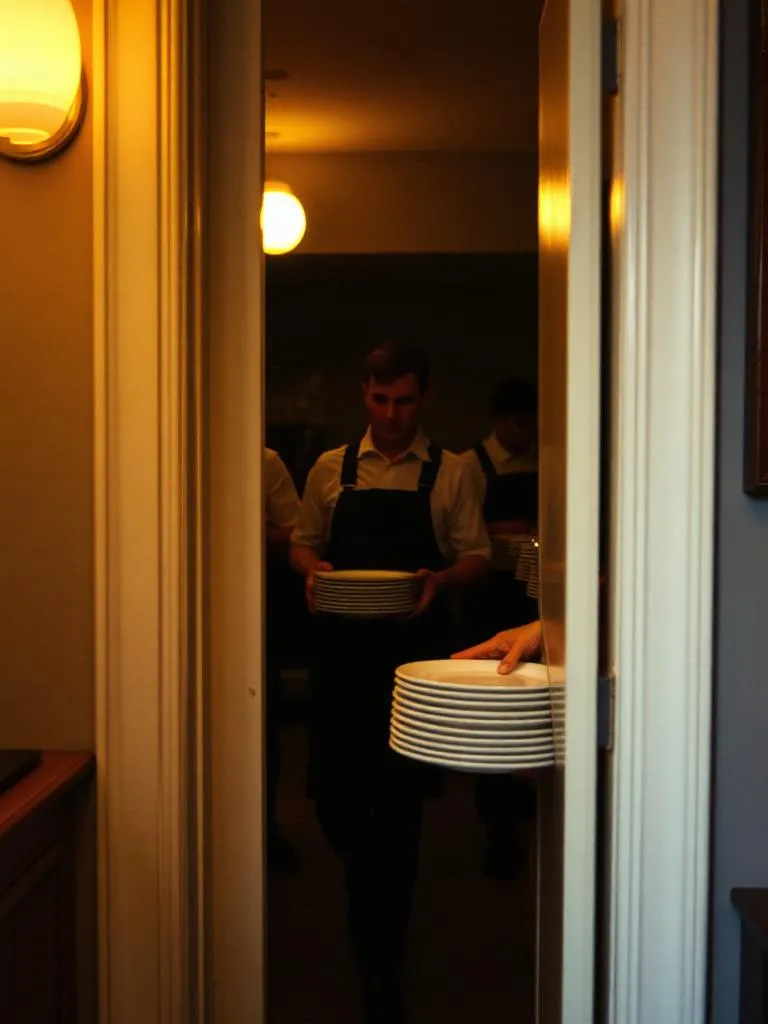
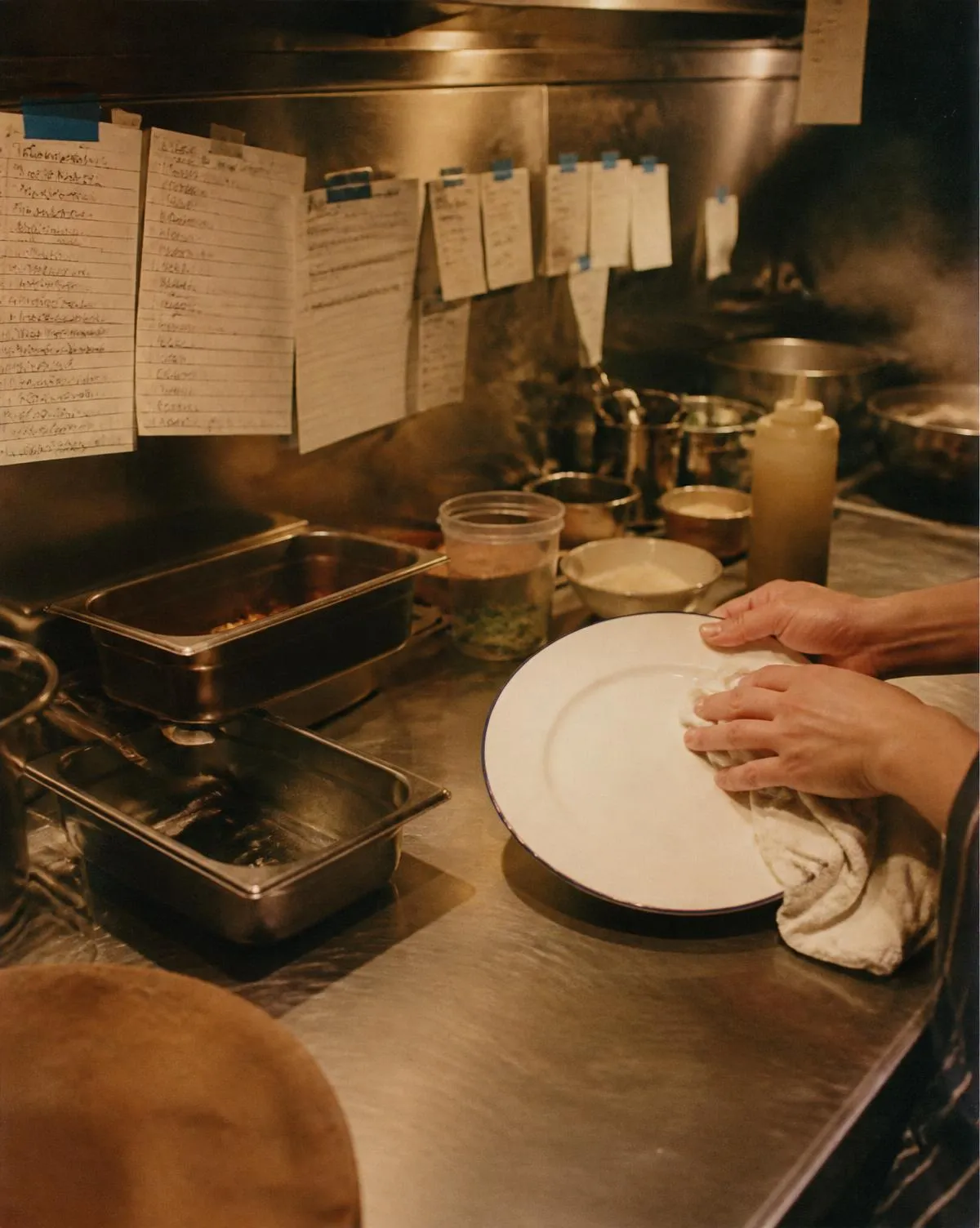
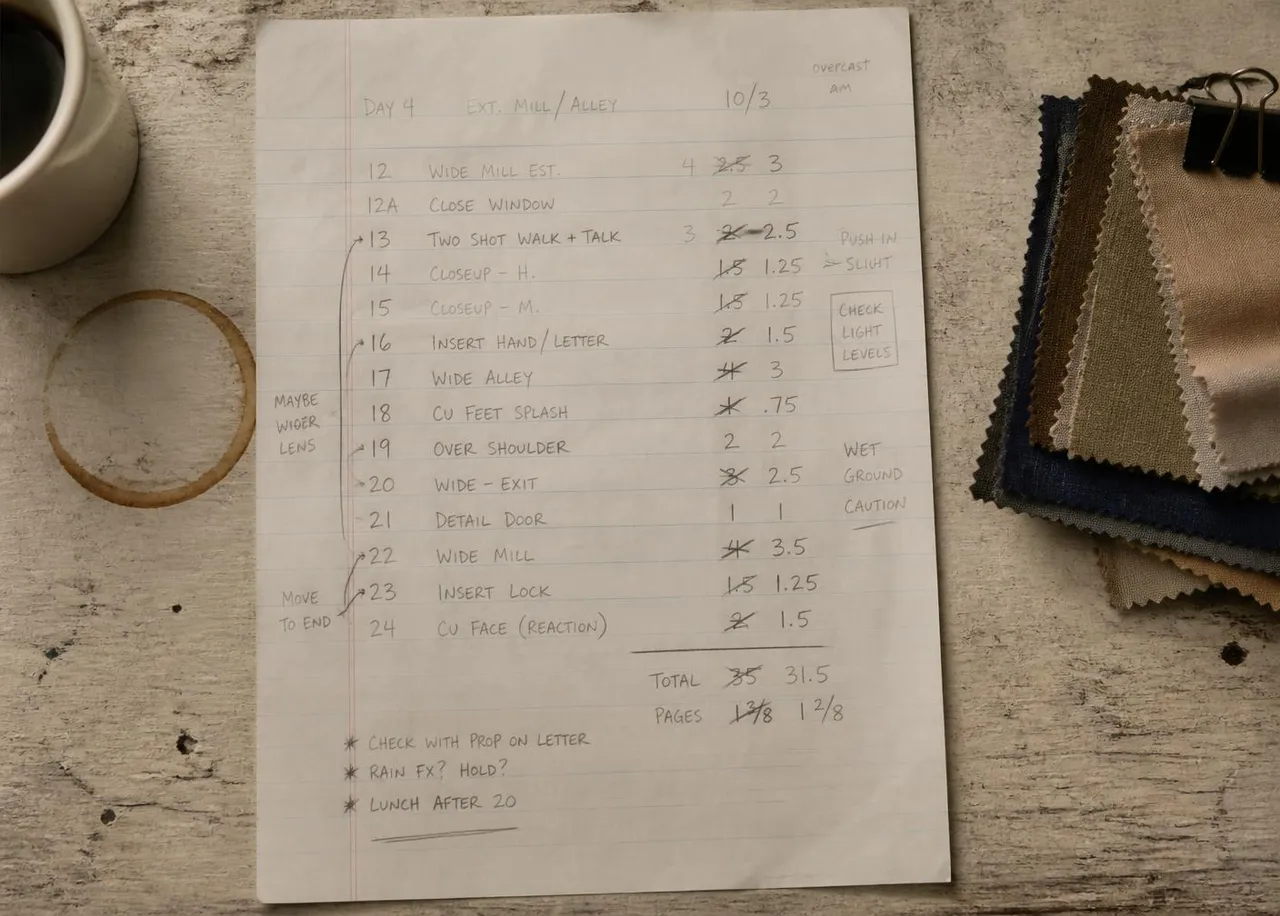
The two photographs above were made twenty minutes apart. Only one of them was planned.
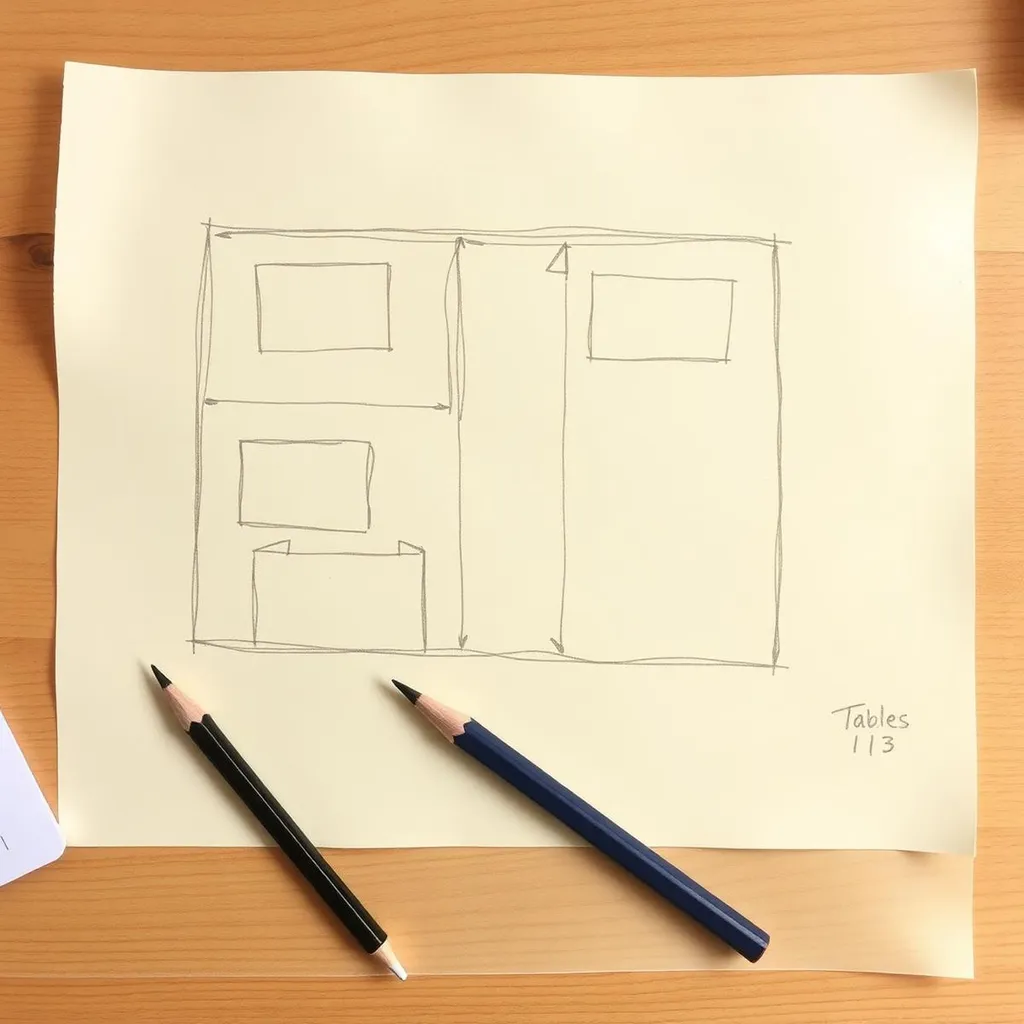
“Move the welcome table two metres back. People are queuing into the cold because we put it where it looked best on the plan.”
Placeholder note. Written on site, not in a deck.
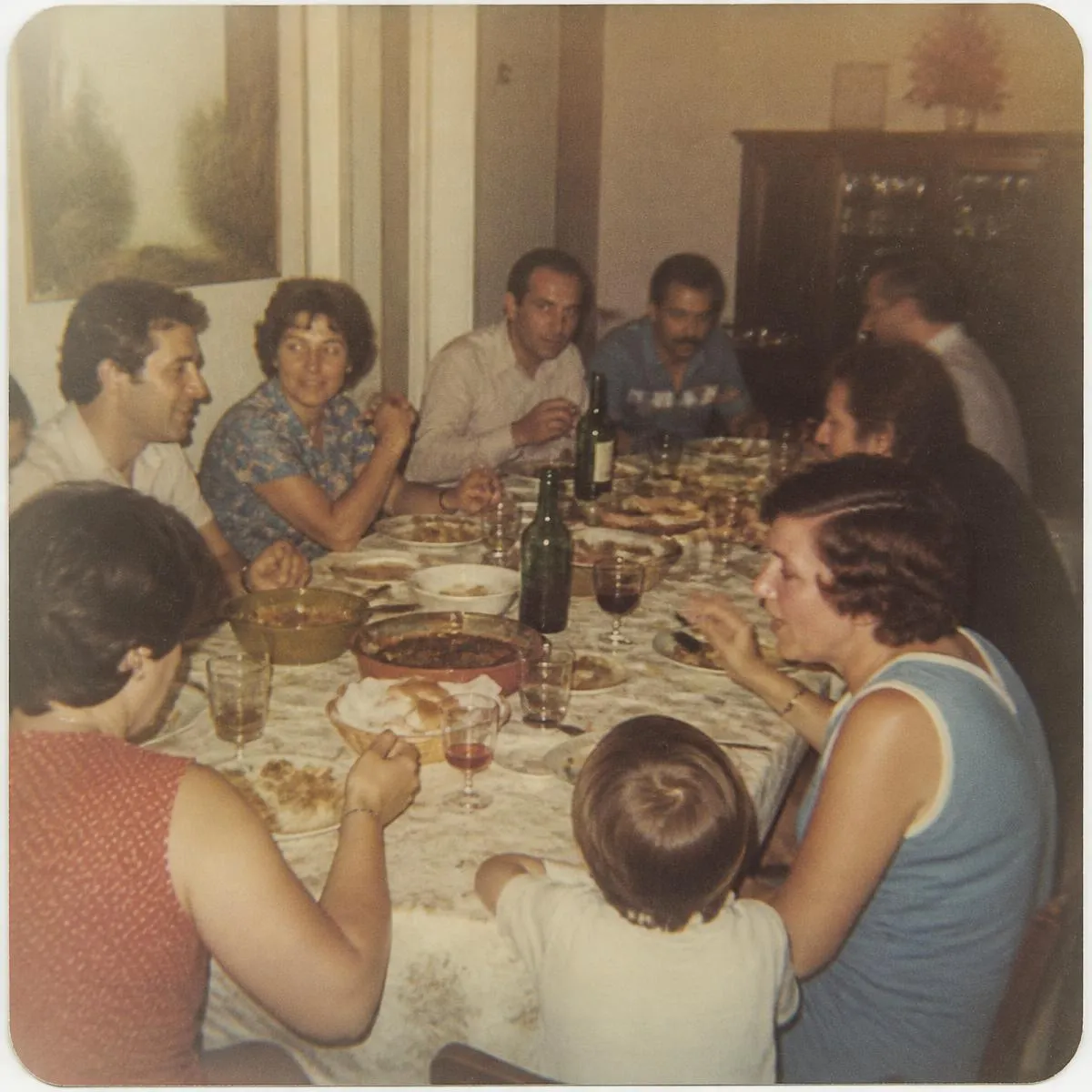
Placeholder schedule. Kept as it was written.
Placeholder for a short film: a table being set, in real time. We would rather leave this frame empty than fill it with someone else’s evening.
06Core
One for the everyday of a business. One for the evenings people remember. Everything else the studio does sits behind these two.
01
True efficiency starts where the work actually happens.
Processes, service and workplaces examined from the frontline, then redesigned around the people who deliver them.
How this works02
We don't start with the programme. We start with the guest.
Arrival, orientation, rhythm, timing, service — and what stays with people once the evening is over.
How this works07The frontline
Four steps on paper. Eleven in the room.
The frontline says
Every step someone actually performs, including the ones nobody drew.
11
The process says 4 steps. The frontline says 11. That is where we start.
That’s where we start.
08Core service 02
An evening is a story, not a schedule.
Some of what we ask before a programme exists.
09The Studio
Everything here exists around the two core services, never above them.
Art direction, campaign concepts, set direction, visual storytelling.
Listen before you read. Placeholder waveform.
A few subjects, thought through properly.
Training people to notice.
From concept to the room people walk into.
The Studio Network
The right people for the right idea.
Assembled per project, from people we have worked beside. Not a roster, not a directory.
How the network works10Guest Book
Read as reportage. The thinking, not only the outcome.
The Art of Hosting
Placeholder reportage. Written from the arrival, not from the run sheet — awaiting cleared client work.
Hospitality for Business
Placeholder reportage. Written from a week on the floor — awaiting cleared client work.
Tea, the long version
Sample entry, written the way a guest would write it. Replaced as soon as a real guest has cleared their words.
Coffee, the short version
Sample entry for the short form: no time for tea, so one question and what the work can honestly carry.
A second pouring
Sample entry for a returning guest. The clearest thing a guest book can record is a second visit.
11The Journal
Notes from the frontline — a line, a frame, a recording.
Observation
Placeholder entry. Somebody printed an instruction because the room could not explain itself.
Kitchen
Origin
Placeholder entry. At home there was always one more seat than people expected.
Voice
Placeholder entry. The same room, before and after anybody was welcomed into it.
Film
Placeholder entry. Nothing happens in it, which is exactly the point.
12About
I never planned to work in hospitality. I just kept finding myself where people meet people.
Where the perspective comes from13Contact
Good ideas don’t always arrive fully formed. Come as you are.